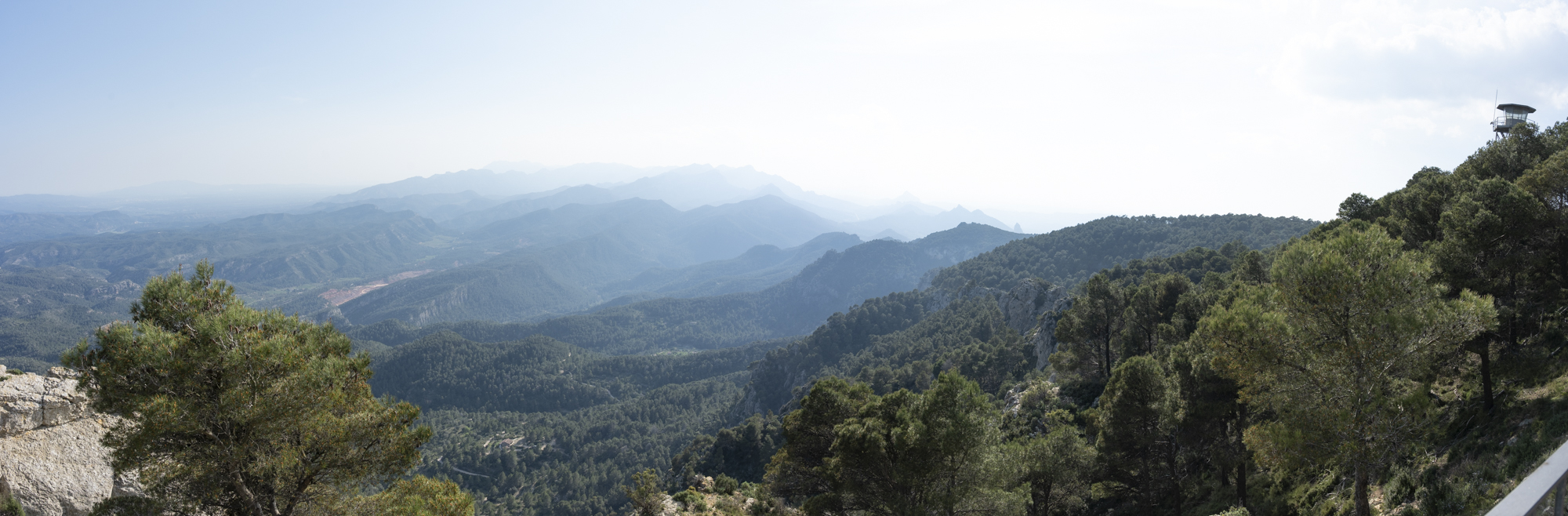
(introduction)
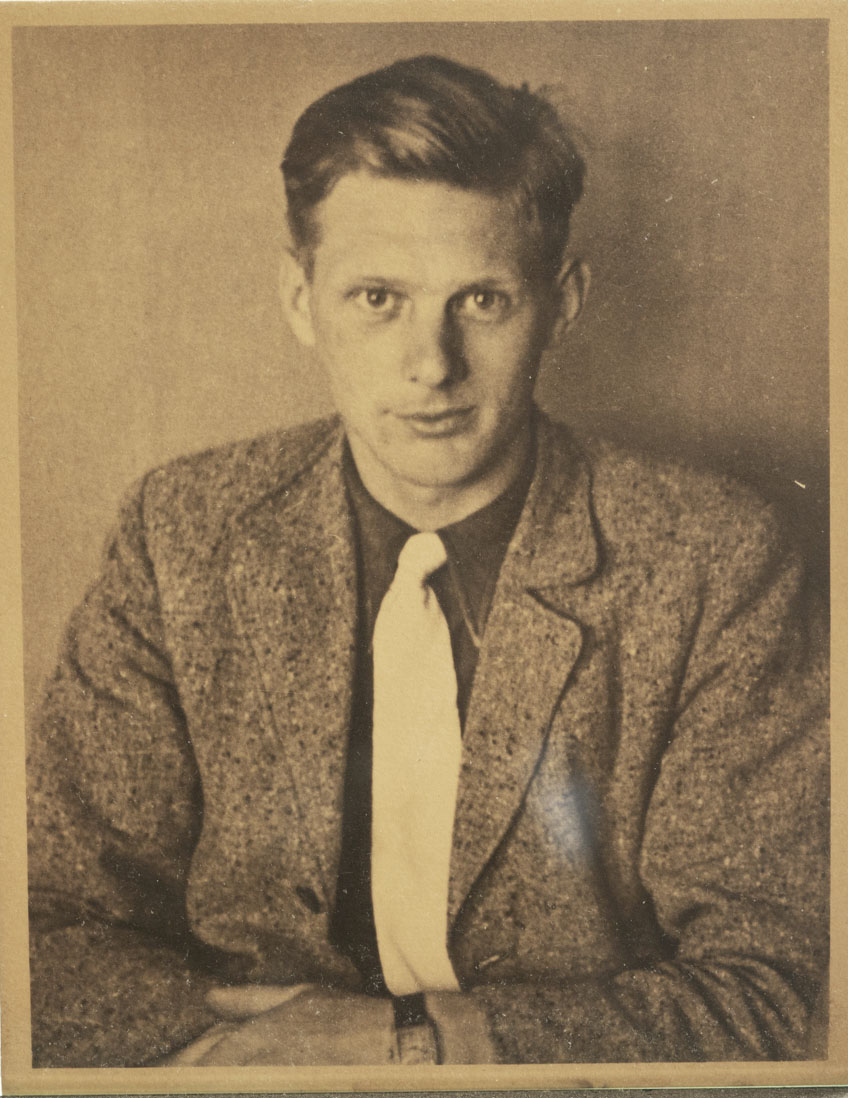
Return to the Battle of the Ebro is a photographic project about Evert Ruivenkamp (1915-1943), who, at the age of twenty-three, volunteered to fight in the Spanish Civil War in 1938 and later recorded the experience in a remarkable diary.
The photographer, Evert de Jonge (1958), is Evert Ruivenkamp's nephew. In 2026 he travelled to the Ebro region, where a bloody battle was fought in 1938 and in which his uncle took part and later wrote an unforgettable account in his diary.
[double-click or tap photos to enlarge them]
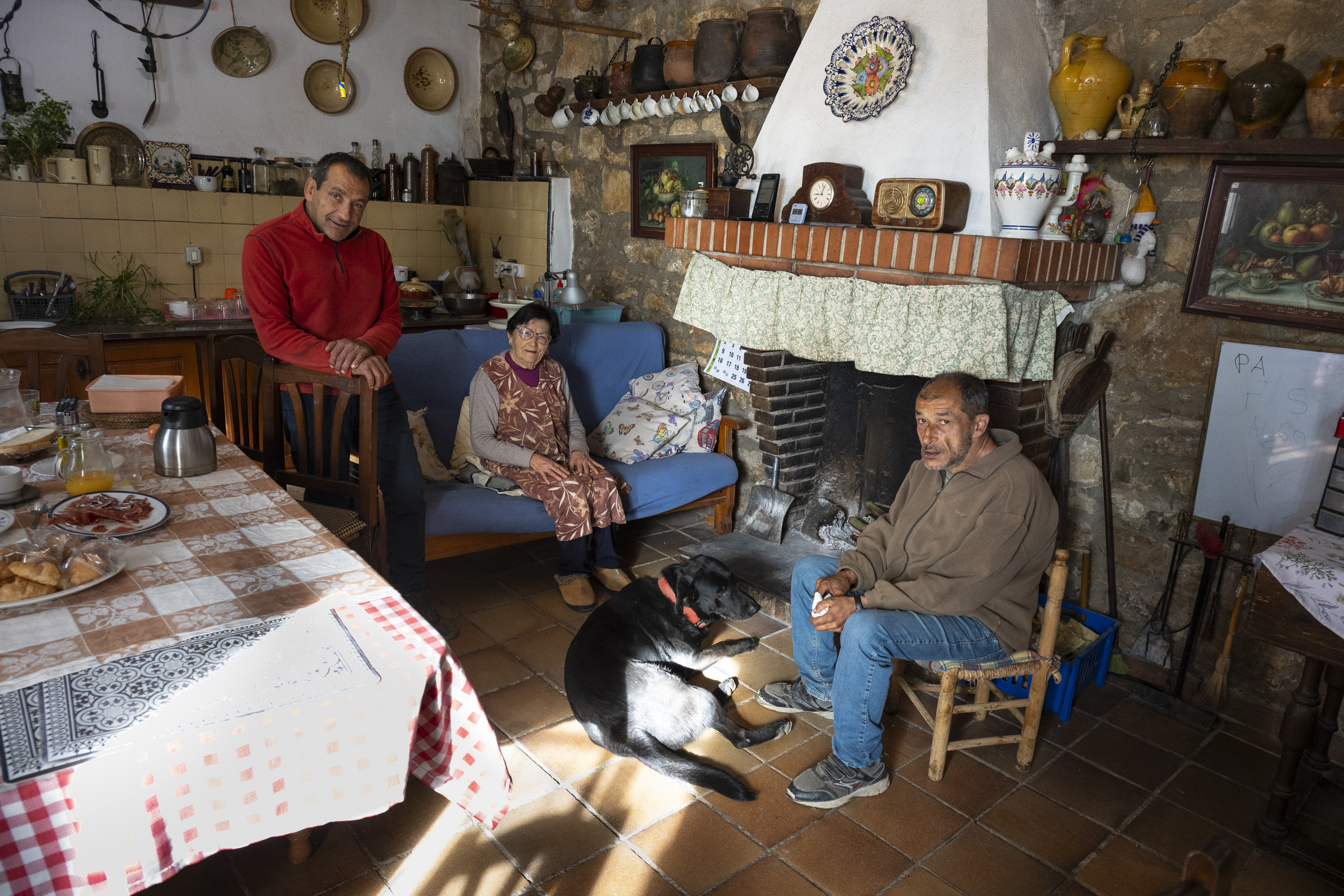
Carmen and her two sons, Baltasar and Mario, have lived on a farm in La Fatarella since birth. Carmen herself was born in 1939, the final year of the Spanish Civil War.
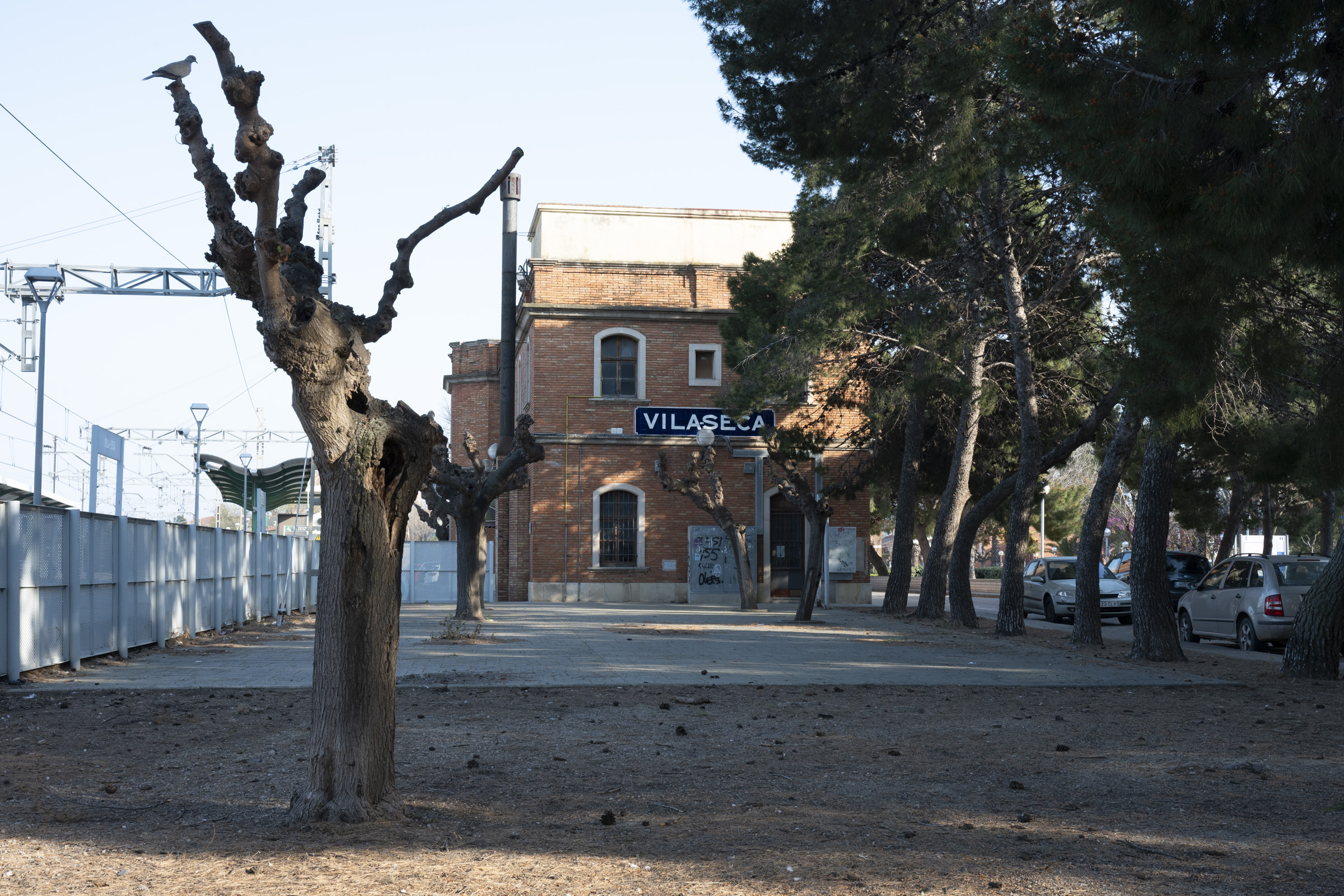
14 April 1938:
Rubble, the smell of fire, wounded men, mutilated bodies,
the stench of burnt human flesh. You grow used to that too.
You get used to it, but you never forget. Near Tarragona the
whole group leaves the train and we make our way to Vila
Seca. We sleep under the trees for one night. At breakfast
there is a handful of hazelnuts. There is nothing more.
Perhaps later.
(Evert Ruivenkamp's diary)
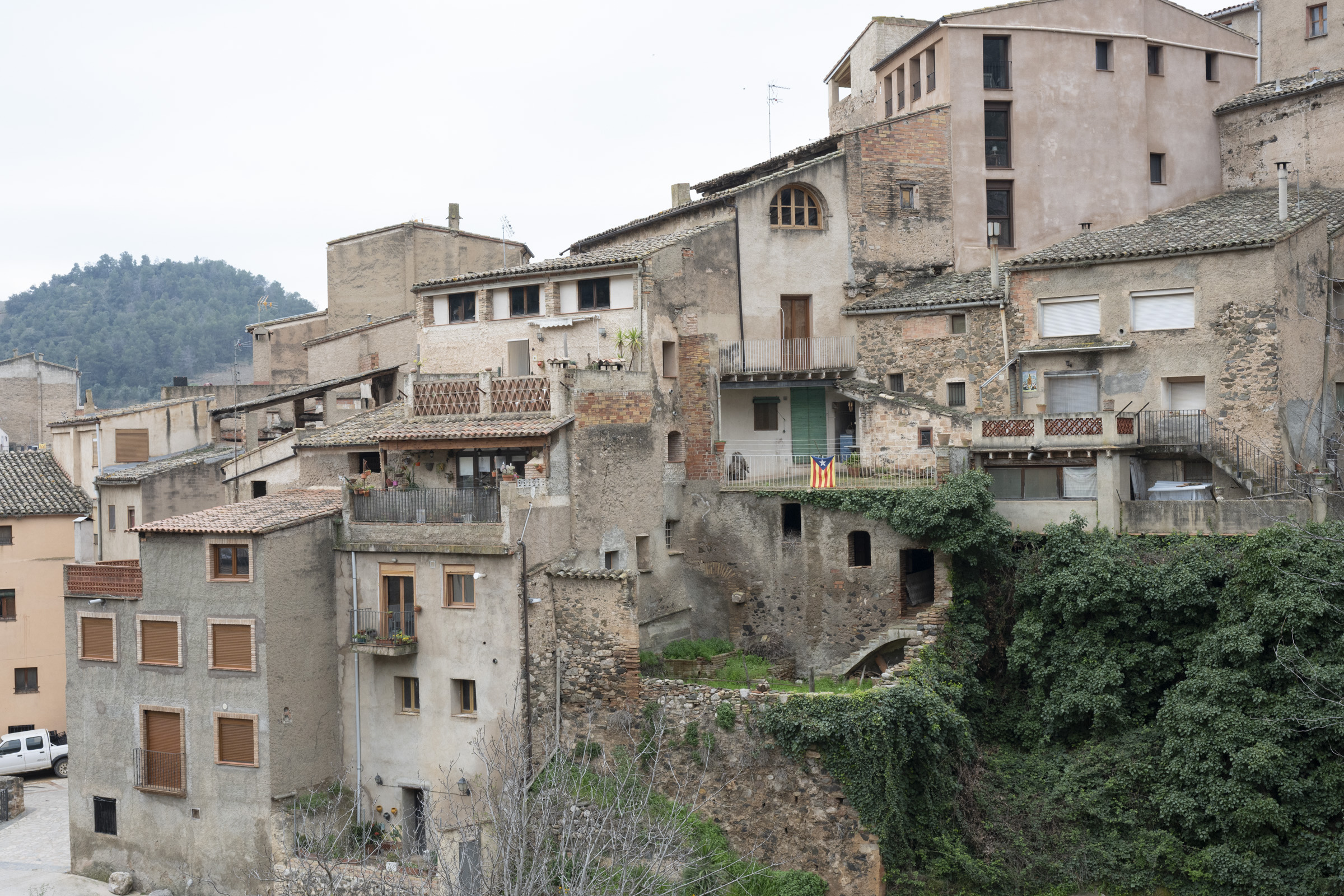
19 June 1938:
Last night we were in Vilella Baja.
Carefully avoiding the
road, we made our descent. Threading our way between bushes
and rocks, we finally reached our destination.
The village was very quiet. At most three or four people
were there. We ordered coffee and cognac. Coffee was
possible. Cognac, however, was not. It did not sound very
convincing. I assumed it had more to do with a ban on
selling spirits to soldiers.
(Evert Ruivenkamp's diary)
[double-click or tap photos to enlarge them]
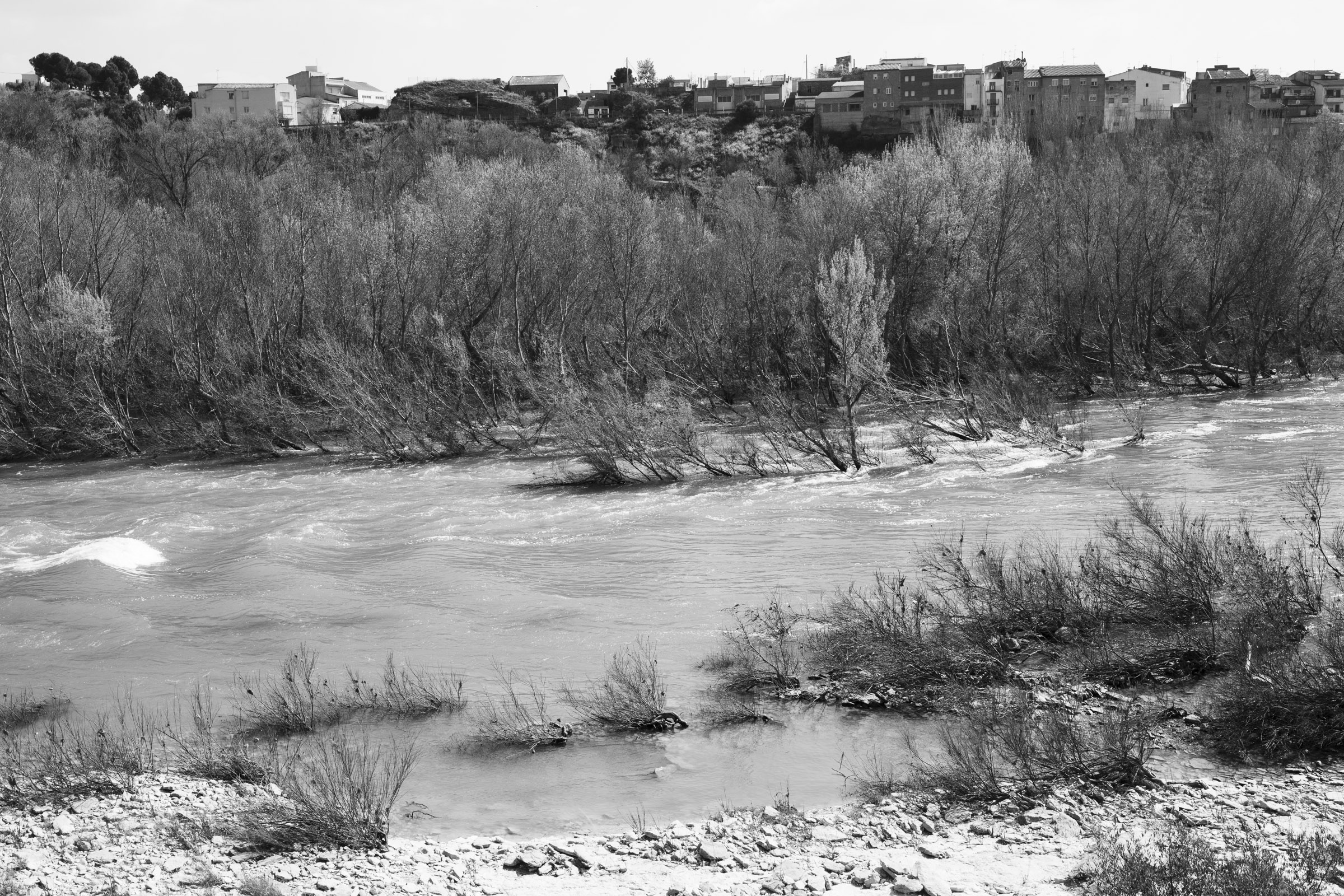
Flix
2 August 1938
We left the camp and crossed the
Ebro as well. We set off at six in the evening in three
trucks. ... Our aim was not immediate territorial gain.
Levante had to be relieved. Now Franco was bringing
everything to the Ebro. One hundred, two hundred, three
hundred aircraft crossed overhead each day.
(Evert
Ruivenkamp's diary)
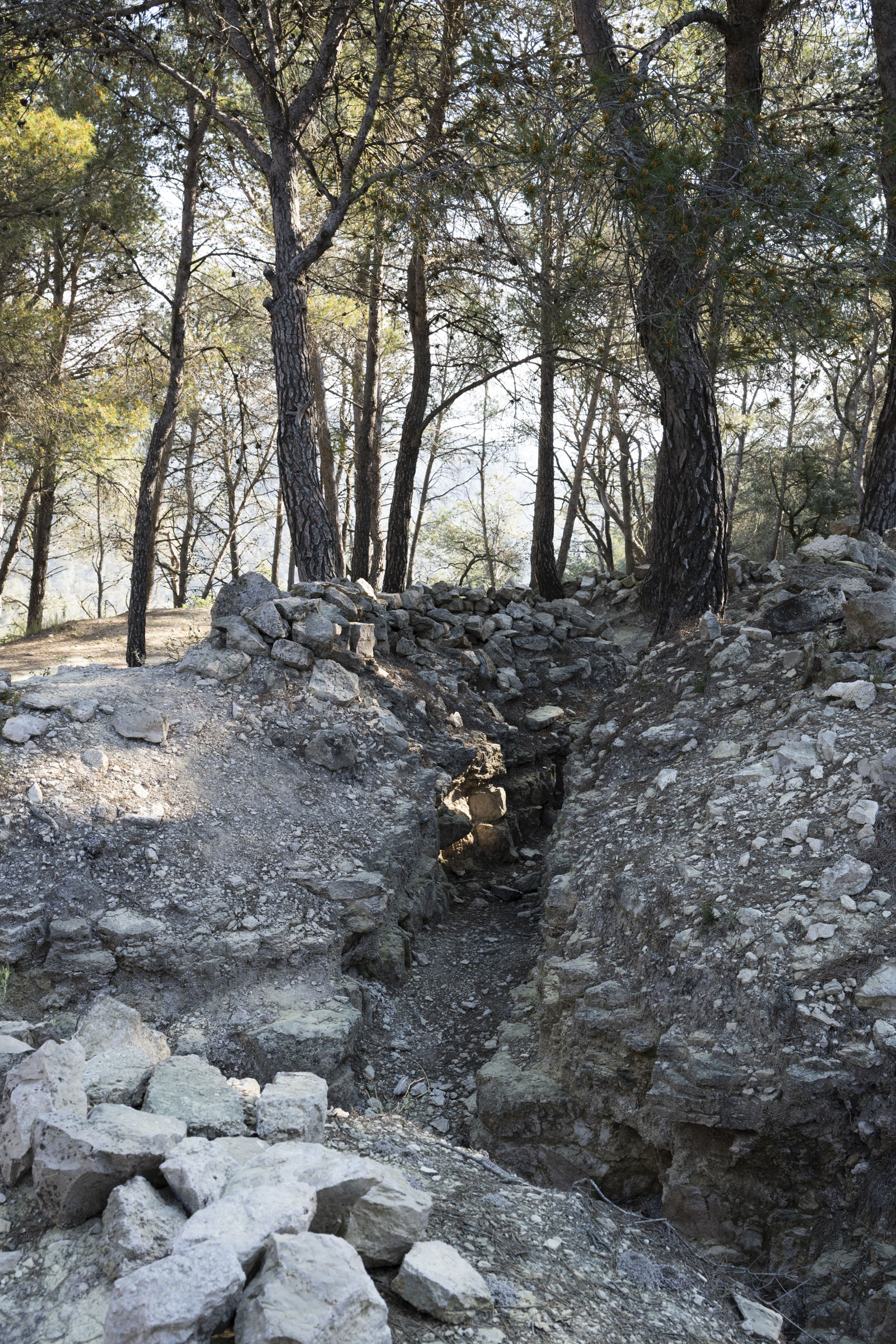
6 August:
We lay close together. Bombs were bursting all around us. As
best we could, we pressed ourselves against the ground.
Between two explosions he looked at me and said nothing, but
our eyes understood each other. It is almost unbearable.
We are here to receive the men who can no longer endure
it.
As Franz put it: 'Am Ende des Tages sind die Nerven kaputt
und bist du fertig'.
(Evert Ruivenkamp's diary)
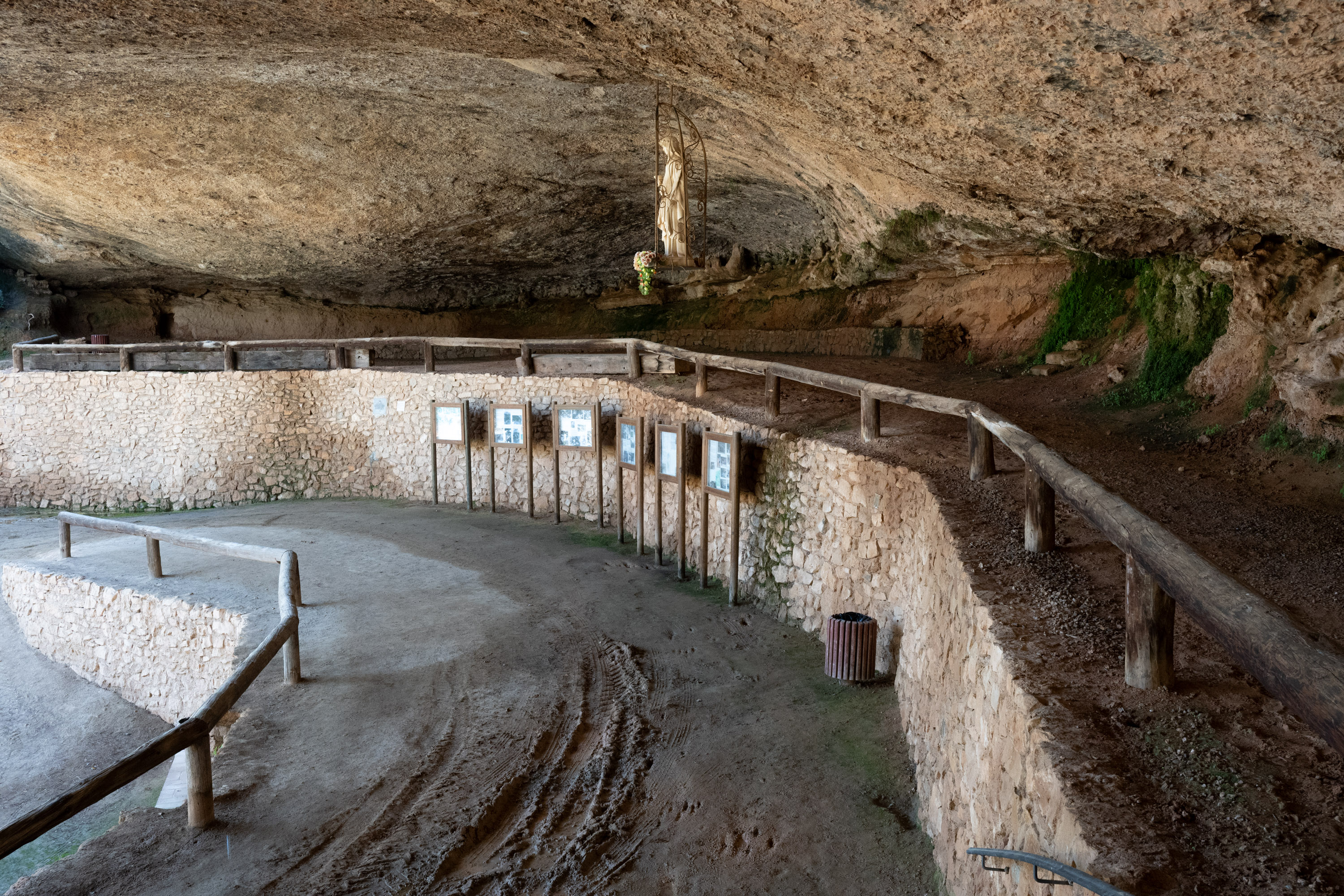
Cova de Santa Llucia near La Bisbal de Montsant. In 1938, this cave was used as a field hospital for wounded Republican soldiers. It held around 80 beds and an operating room.
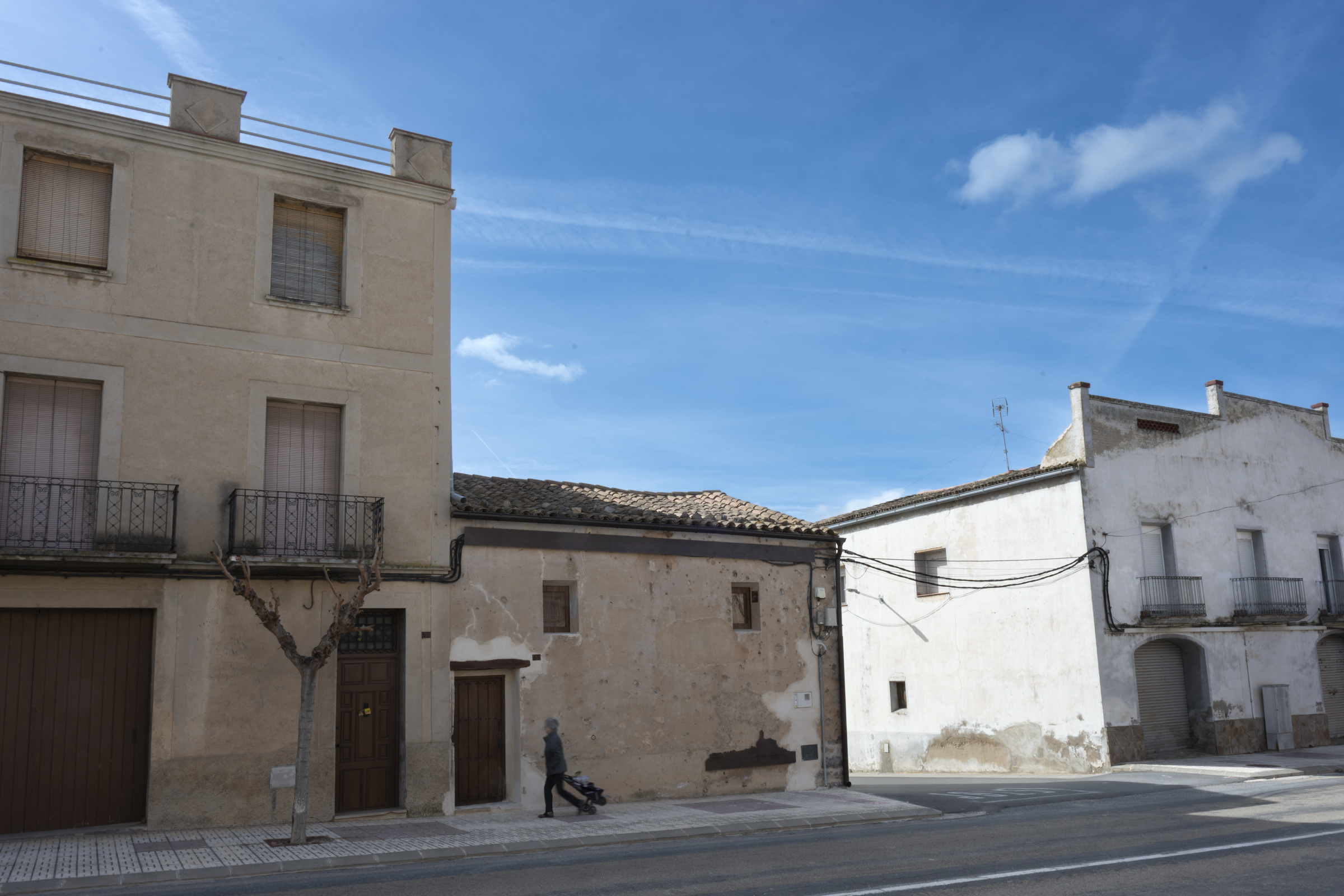
Bullet holes from the Civil War still visible in a house in Corbera d'Ebre
17 August 1938:
I will never see Willy de Lathouder again. Theo told me he
fell near Gandesa. One says with a bullet through the head,
another with a bullet through the stomach. However it
happened, his life is over. Worst of all is what lies ahead
for his wife, with a little child now almost half a year
old. One by one they fall. When will it be my turn?
(Evert
Ruivenkamp's diary)
[double-click or tap photos to enlarge them]
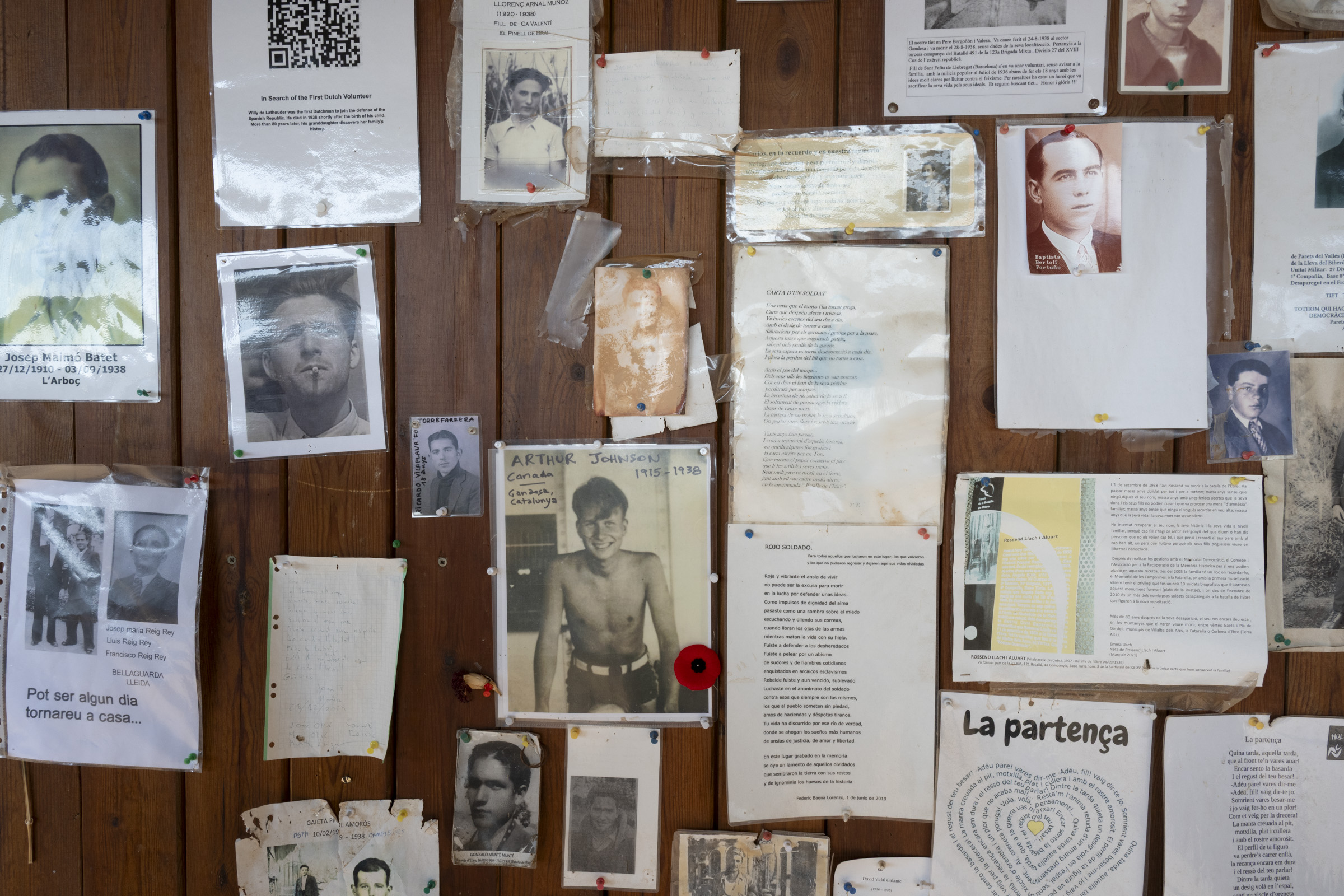
This is part of the Memorial de les Camposines. The photo on the left, cigarette in hand, is Willy de Lathouder.
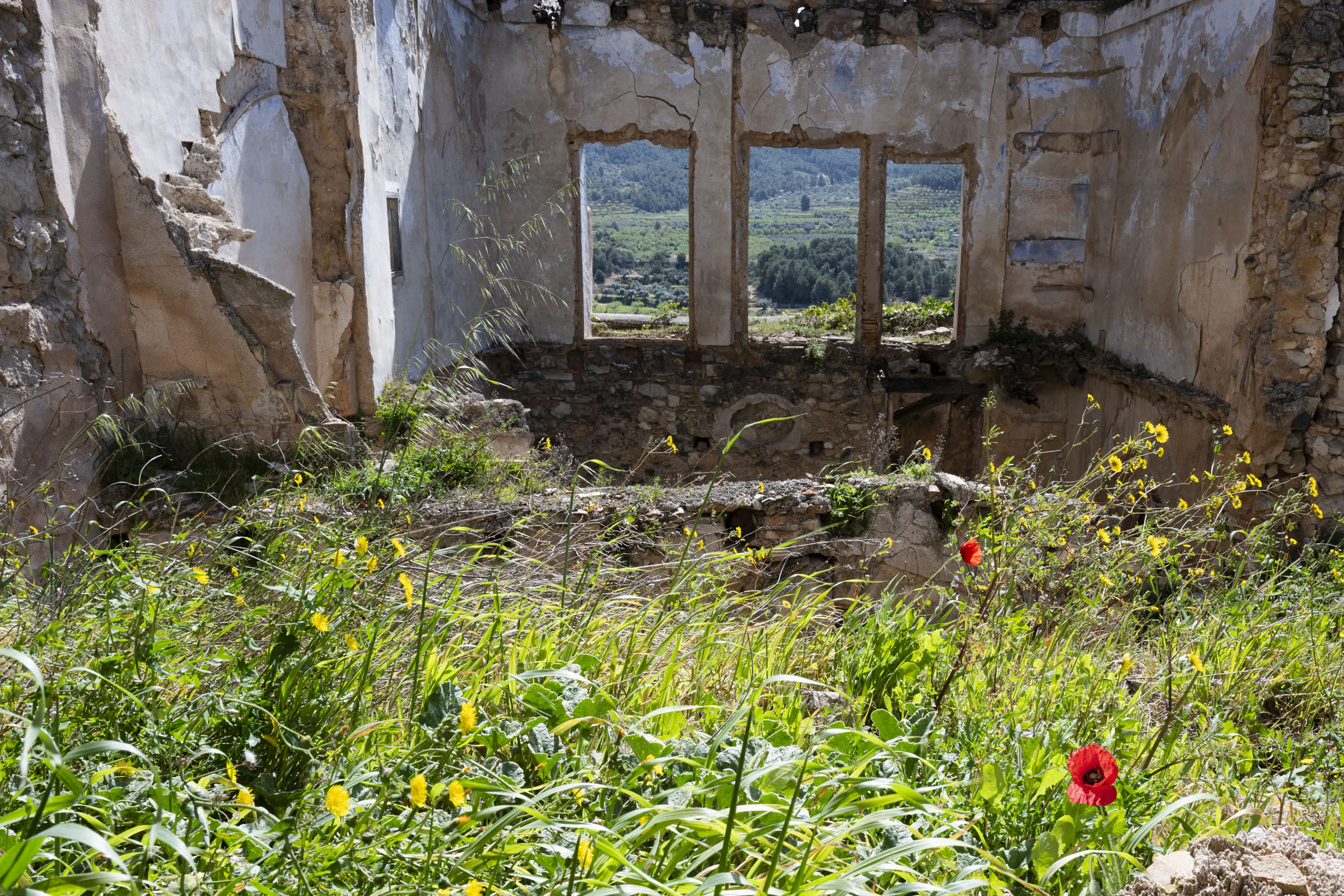
23 September 1938
Thank God, it is over again and I am still alive. I have
never experienced a day like this in all this time. The
remnants are moving back to the reserve position. Eleven men
are left from our company.
(Evert Ruivenkamp's diary)
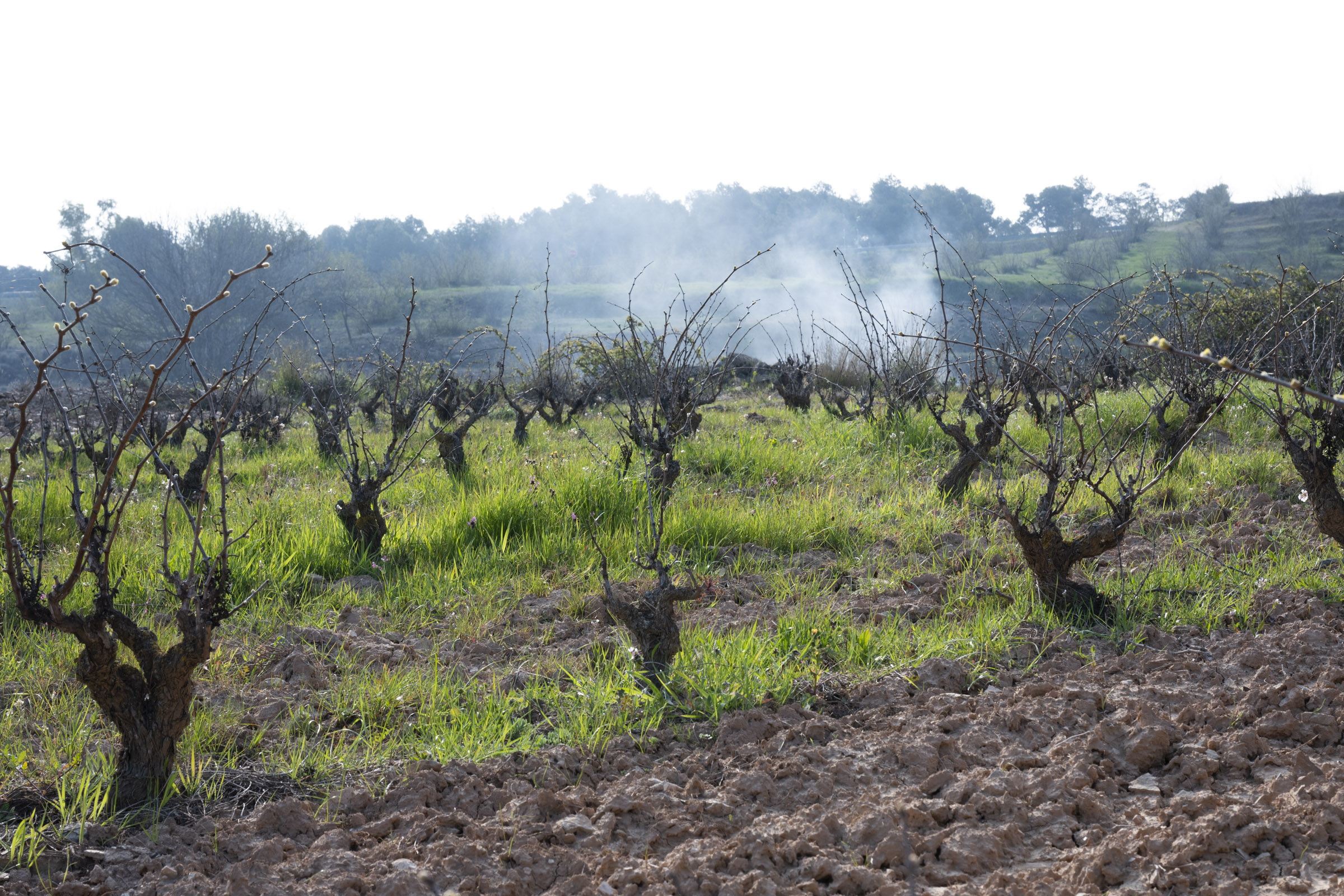
According to local residents, a mass grave from the Spanish Civil War lies beneath this orchard in La Fatarella.
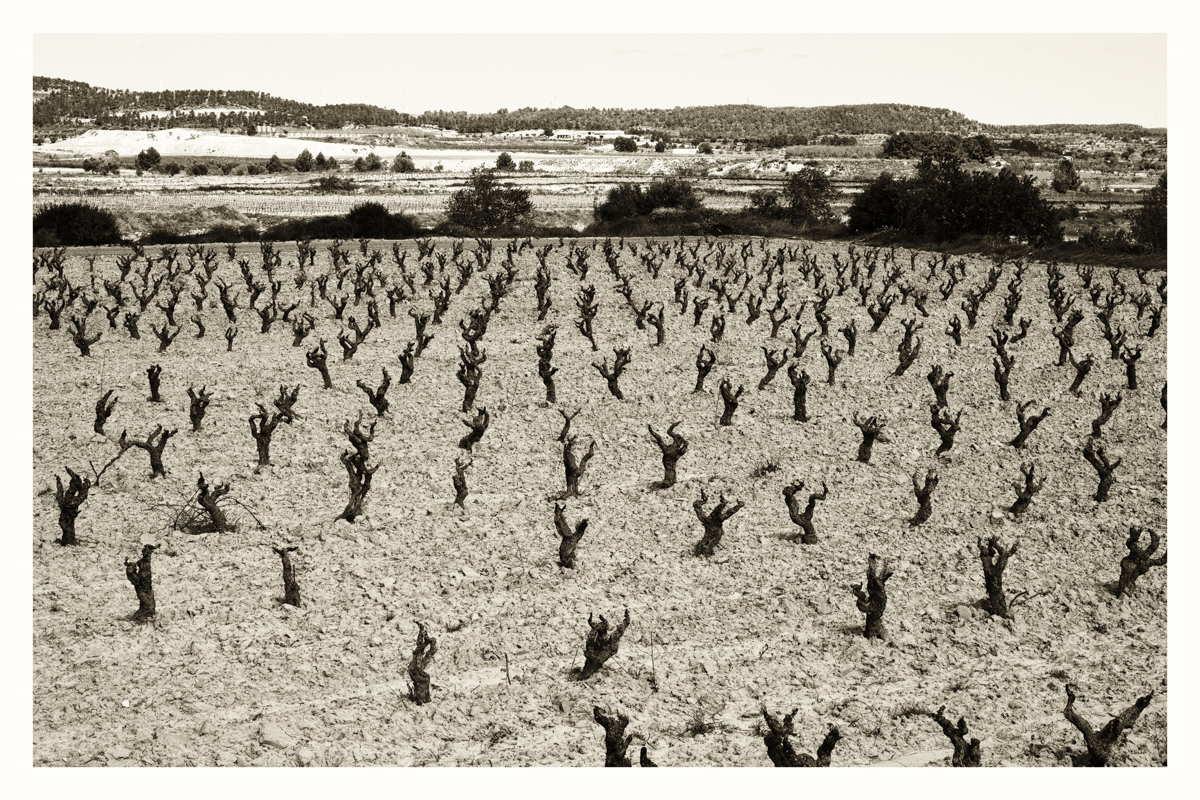
The Ebro valley near Gandesa in 2026.
About Evert Ruivenkamp
In March 1938, Evert Ruivenkamp left The Hague and crossed the Pyrenees on foot to join the democratically elected Spanish Republic as a twenty-three-year-old international volunteer, fighting against Franco's forces, backed by Hitler's Germany and Mussolini's Italy. He first came under fire in early August during the Battle of the Ebro, the bloodiest confrontation of the Spanish Civil War, with 120,000 casualties.
read more about Evert RuivenkampIn 2019, eighty years later, Rosa, Evert's sister who was ten years younger than him, died. In her bedside table a diary was found, written by Evert in Spain in 1938. It is a compelling eyewitness account of war and offers a deeply personal view of what Evert lived through.
learn more about the diary
About this photo project
The photographer Evert de Jonge (1958) is Evert Ruivenkamp's nephew and the son of Roos Ruivenkamp. In 2019 he found the diary in the bedside table of his late mother. Struck by this account written by his uncle at the age of twenty-three, he travelled to Catalonia in 2026 to see the landscape where the Battle of the Ebro had unfolded.
learn more about the photo projectIn March 1938, Evert Ruivenkamp left The Hague and crossed the Pyrenees on foot to join the democratically elected Spanish Republic as a twenty-three-year-old international volunteer, fighting against Franco's forces, backed by Hitler's Germany and Mussolini's Italy. He first came under fire in early August during the Battle of the Ebro, the bloodiest confrontation of the Spanish Civil War, with 120,000 casualties.
At the end of September 1938, the Republican leadership decided that all international fighters had to leave Spain. Evert returned to the Netherlands. He survived the Spanish Civil War, but many of his comrades and friends were killed. One of them was Willy de Lathouder, who in Spain married Rosario, a young Spanish woman who had nursed him after he was wounded in 1937 and with whom he had a baby son. Back in the Netherlands, Evert lived with Rosario and her son. At the start of the Second World War, he joined the resistance against the Germans. He was arrested after taking part in an attack in 1942 and was shot dead on the Waalsdorpervlakte in 1943.
back to the photo project Return to the Battle of the Ebro
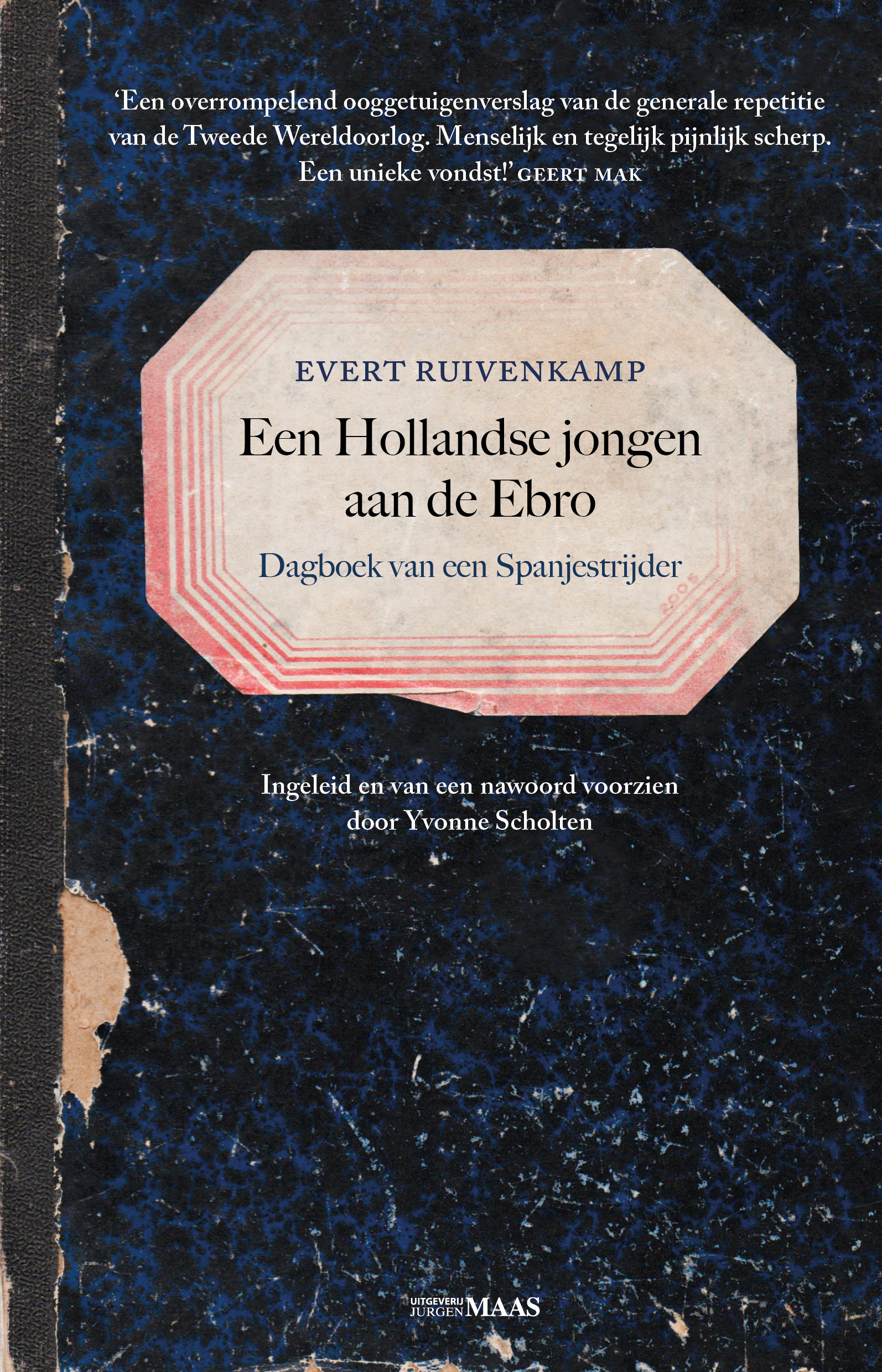
In 2019, eighty years later, Rosa, Evert's sister who was ten years younger than him, died. In her bedside table a diary was found, written by Evert in Spain in 1938. On the first page he wrote, ‘My memories of Spain 1936-39’, followed by the motto of the struggle for freedom: ‘It is better to die standing than to live on your knees.’ It is a powerful eyewitness account of war, and it offers a deeply personal portrait of how a twenty-three-year-old young man enters an adventure, makes friends, and is increasingly confronted by the suffering of a people torn apart by war.
back to site
The photographer Evert de Jonge (1958) is Evert Ruivenkamp's nephew and the son of Roos Ruivenkamp. In 2019 he found the diary in the bedside table of his late mother. He transcribed the handwritten text and produced a small booklet in a very limited edition for close family members. He then came into contact with Yvonne Scholten, a journalist deeply involved in documenting the history of Dutch volunteers in the Spanish Civil War. Recognising the diary's historical importance, she helped bring it out as a book with an introduction and afterword that place it in the wider context of the war (A Dutch Boy at the Ebro; Diary of a Volunteer in Spain. 2022; Jürgen Maas Publishers. ISBN 9789083210827).
In 2026 he travelled to Catalonia to see the landscape where the Battle of the Ebro had taken place. In the eighty years since the Spanish Civil War, much has changed. The people who now live in Catalonia did not experience that war themselves. The landscape has changed profoundly. Because of the many dams, the Ebro has become a calmer river, and the once bare, rugged terrain has been transformed by extensive tree planting. Yet there are still many traces of what happened there.
This website presents a visual account of a number of places described by Evert Ruivenkamp in his diary.
back to site